
Australia always stays one of the dream destinations for professional migrants from around the world. It has a strong economy, a safe environment, excellent healthcare and education systems and a great quality of life. It’s no surprise that professionals and families aim to call it home for good. Among the many visas presented by the Australian Department of Home Affairs, the Subclass 491 Visa has quickly become a standout choice not just as a way to come to Australia, but as a real achievement toward Australian Permanent Residency.
In this blog, we understand the top reasons why the 491 visa pathway to Australian PR is widely seen as one of the smartest strategies for migrants wanting a long-term future down under. Unlike some visas that leave you guessing about your future, the 491 visa clearly sets up a route toward permanent residency through the Subclass 191 visa when conditions are met. Let’s get into why this matters so much and why migrants, especially from India, Southeast Asia, Africa and other regions are preferring this path.
One of the biggest advantages of the 491 visa to permanent residency in Australia is that it is very straightforward compared to other pathways. The visa itself is a five year provisional visa that allows you to live and work in set regional areas of Australia. If you carry residency in a regional area and satisfy visa conditions for at least three years, you become eligible to apply for Subclass 191 Permanent Residence. This structured transition gives you a clear pathway to PR. It does not leave you uncertain about your next step. This roadmap removes uncertainty, something many migrants stress about when planning their future abroad.
Getting a state nomination or family sponsorship for the 491 visa adds a +15 points bonus to your migration score. Australia’s points-based skilled migration system applies to every profession. More points mean stronger chances of receiving an invitation to apply for a visa. This bonus can make a real difference for professionals whose base points which come from age, education, English, work experience, etc., might not be enough for other skilled visas like the 189 or 190 visas. So even if your base points are on the borderline, the regional nomination bonus can help you become eligible for this. That's why it makes the 491 visa pathway highly attractive for many applicants.
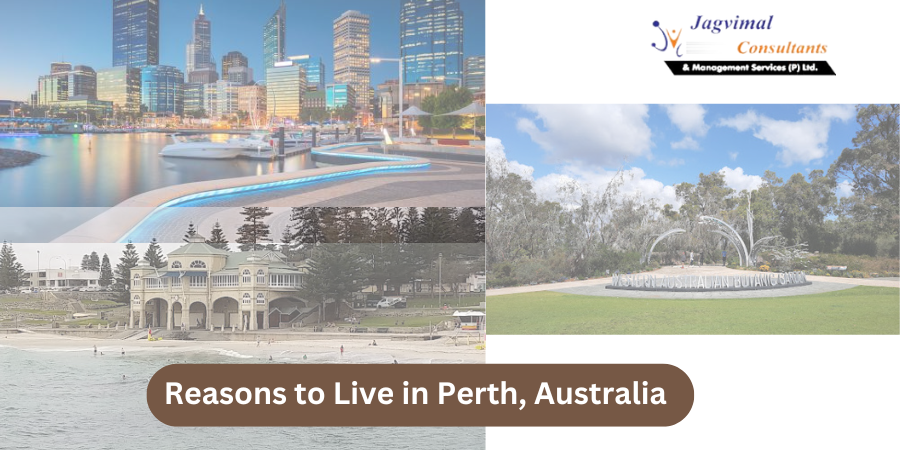
When many people think of living in Australia big cities like Sydney, Melbourne or Brisbane come to mind. But the 491 visa invites you to live in regional parts of Australia. Regional areas that have capital cities like Perth and Adelaide, as well as smaller towns and communities across all states and territories. These regional zones give a rich quality of life, lower living costs, comfortable lifestyles and amazing employment opportunities. This flexibility lets you select a society that suits your lifestyle and career plans. There is no need to connect with a major urban city.
Many temporary visas require you to work for a single employer or restrict your job role. The 491 visa, yet, allows you to work in any job, in any regional location. You can also pursue education or start a business if you want. This freedom gives you flexibility during your provisional stay. This empowers you to grow professionally while you prepare for PR. It’s a practical choice if you want space to study opportunities without being limited to one employer or job category.
One of the most comforting aspects of the 491 visa is that it allows you to have eligible family members. You can involve your spouse and dependent children in your application. This means your whole family shares the rights to live, work and study in regional Australia while you pursue the PR pathway together. Family inclusion creates stability and emotional comfort, which is important if you’re migrating with loved ones.
Apart from some visas that require you to secure permanent residency in a short time, the 491 visa gives you five years to stay in that country. This large time gives you a chance to settle in, understand the job market, build local experience, improve English if needed and incorporate culturally. This time is a major advantage for those who like to fully experience Australian life before moving to a PR stage. It also saves you from the stress of immediate deadlines.
For migrants who find it hard to get visas such as the Subclass 189 or 190, because of high competition or strict points, the 491 visa usually presents a real choice. The bonus points and state nominations open doors that might otherwise stay closed, especially for those in occupations with slower invitation rounds. So even if your profession isn’t drawing frequent high-point invitations under other skilled visas, the 491 visa can be the door that gets you into Australia and eventually into PR.
A big reason Australia gave the 491 visa pathway was to support regional development. Many towns and smaller cities need talented professionals in the mejor field. These fields are health, teaching, trades, engineering, agriculture and community services. This demand means that regional nominations are actively offered, which boosts your chances of being invited to apply. If your occupation fits a regional skill need, the 491 visa could accelerate your way to Australian PR compared to more general migration streams.
Having a 491 visa means you can enter and exit Australia freely within its time limit. Whether you need to visit family overseas, manage personal commitments or travel the rest of Australia, you don’t need to apply for separate travel permissions. This security and flexibility is a big emotional and logistical advantage. You get the confidence to travel, work and live with fewer immigration restrictions, a huge plus for families and global professionals.
Although health services can differ by state and sponsorship arrangements. Many 491 visa holders become eligible for Medicare and Australia’s public healthcare system. It can be possible after their visa is granted. Having access to subsidised healthcare is a huge relief for migrant families. It gives peace of mind that a serious illness or emergency won’t become a financial burden. This kind of social support can make a long-term immigration plan feel safer and more valuable.
Finally, Australia’s migration priorities have shifted to focus more on regional development. With competition increasing for traditional skilled visas, the 491 visa is gaining popularity and staying relevant in the immigration ecosystem. For 2026 and beyond, many migration agents and experts see this pathway as one of the most practical and achievable routes to permanent residency for skilled workers. It’s not just a fallback option; it’s a strategic choice that fits well with current trends.
For many skilled professionals, the 491 visa pathway to Australian PR is more than just a temporary visa. It’s a carefully made journey that balances opportunity, flexibility, family inclusion, community integration and long term settlement planning. The road to permanent residency takes time and effort. The 491 visa stands out as one of the most accessible and strategic options available today. Whether you are navigating points tests, nomination processes, regional job markets or future PR hopes this is the best option to go for. Understanding and leveraging this pathway can make your Australian dream a reality. For better guidance on your eligibility or how to chart your best route to Australian permanent residency, whether it’s through 491 or another pathway, reach out to Jagvimal Consultants for expert assistance every step of the way.
Q. Is the Subclass 491 visa a permanent visa?
No. The 491 visa is a provisional professional visa that has a time span of 6 years. It is not permanent on its own, but it does give you a clear pathway to PR via Subclass 191 after meeting residency and other requirements.
Q. How long do I need to stay in a regional area before applying for PR?
You generally need to live and work in a set regional area for at least three years before becoming eligible to apply for the Subclass 191 permanent residency visa.
Q. Can I include my family in the 491 visa application?
Yes. You can bring your spouse, de facto partner and dependent children. They get the right to live, work and study in Australia under the same visa conditions.
Q. Do I get access to Medicare with the 491 visa?
In many cases, 491 visa holders become suitable for Medicare, which gives subsidised healthcare during their stay.
Q. Is moving to a big Australian city allowed?
The 491 visa focuses on regional areas. Sydney, Melbourne, and Brisbane generally do not count as regional for this visa, so moving there could affect your PR eligibility. However, regional cities like Perth, Adelaide, Canberra, Gold Coast and Hobart usually qualify.














.png)













.png)

.jpg)
.png)


.png)
 (1).png)

.jpg)